



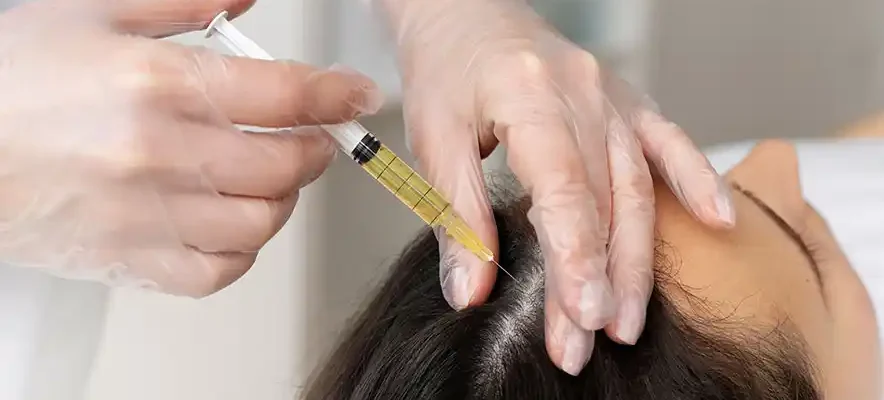
Mesotherapy
Mesotherapy is a treatment that delivers small amounts of active ingredients into the superficial layers of the skin using multiple micro-injections. You’ll see it offered in clinics under different names, mesotherapy injections, skin mesotherapy, scalp mesotherapy, or “meso” sessions for glow and hydration—but the idea is the same: targeted delivery, right where the concern is. People usually explore mesotherapy for hair thinning, dull or dehydrated skin, and certain body-focused goals like improving the look of cellulite or localized texture issues.
Because mesotherapy sits at the intersection of aesthetics and wellness, it’s also a treatment that’s easy to oversell. Some people get a noticeable improvement in hair quality or skin freshness, while others feel the change is subtle. The best outcomes usually happen when the plan matches the problem—meaning you’re treating the right issue, at the right stage, with realistic expectations and a consistent schedule.
Mesotherapy Miami
Mesotherapy Miami is a minimally invasive treatment that nourishes the scalp with vitamins, minerals and peptides to improve hair growth.
In Miami, clinics use micro-injections to deliver customized nutrient cocktails directly into the scalp, helping strengthen follicles, reduce shedding, and improve hair density. The procedure is quick, requires no downtime, and is often recommended for early-stage hair thinning or as a supportive therapy alongside FUE, DHI or PRP. Miami specialists tailor formulas based on patient needs, making mesotherapy a popular non-surgical option for healthier, fuller-looking hair.
Where Mesotherapy Fits in Modern Aesthetic Care?
Mesotherapy isn’t a replacement for everything. It doesn’t “lift” skin the way surgery or strong tightening treatments might, and it won’t recreate hair follicles that are completely inactive. Think of it more like a supportive treatment that can improve the environment of the scalp or skin. In hair care, it’s often positioned as a way to help reduce shedding and support healthier-looking growth in people who still have active follicles. In facial aesthetics, it’s commonly used to improve hydration, tone, and overall skin quality. In body aesthetics, it’s sometimes marketed for contouring, but the quality of results can vary widely, and it’s important not to expect dramatic fat loss from a few sessions.
If you approach mesotherapy as a “boost” that supports a bigger plan, healthy habits, good skincare, and medically appropriate treatments—your satisfaction tends to be much higher.
What’s in a Mesotherapy Cocktail?
One of the reasons mesotherapy can be confusing is that there isn’t one universal formula. Different clinics use different combinations, and the choice can depend on the treatment area and the provider’s preference. In general, mesotherapy solutions may include vitamins, minerals, amino acids, antioxidants, peptides, and sometimes hyaluronic acid for hydration support. For scalp protocols, some clinics include ingredients aimed at supporting microcirculation and follicle health. For facial protocols, the focus tends to be hydration and brightness, with ingredients chosen for skin texture and elasticity support.
A key point: “More ingredients” doesn’t automatically mean “better.” Sensitive skin and reactive scalps can do better with simpler formulas. The right product choice is the one that suits your skin, your history, and your goals—not the one with the longest label.
How a Mesotherapy Session Typically Works
A typical mesotherapy appointment starts with a consultation and an assessment of the area being treated. For scalp mesotherapy, your provider should look at the pattern of thinning and ask about your hair loss history, stress levels, nutrition, and any relevant medical factors. For facial mesotherapy, they should assess skin sensitivity, dehydration, texture, pigmentation tendencies, and how your skin reacts to needles or active ingredients.
The treatment area is cleaned, and a numbing cream may be used depending on the area and your comfort level. Then the provider performs a series of small injections across the target zone. Sessions are often fairly quick, but the exact time depends on the size of the area. Afterward, you may notice redness, tiny bumps at injection points, or mild tenderness that settles relatively quickly for most people.
Mesotherapy for Hair Loss
People searching for mesotherapy for hair loss usually fall into one of a few groups: early-stage thinning, diffuse shedding, seasonal shedding, post-stress shedding, or hair that feels weaker and finer over time. Mesotherapy tends to be most appealing when you want a non-surgical option and you’re willing to do a series of sessions rather than chasing a “one and done” result.
It can also be used as a supportive add-on after other treatments, depending on your clinic’s approach. What matters most is diagnosis. Hair thinning can be driven by genetics, hormones, nutritional deficiencies, inflammation, or a mix. If the underlying cause isn’t addressed, mesotherapy alone may feel underwhelming. A good clinic will talk about the bigger picture, bloodwork when appropriate, scalp health, and long-term maintenance.
Facial Mesotherapy
Facial mesotherapy is often chosen by people who feel their skin looks tired, dry, or uneven, especially during high-stress periods or seasonal transitions. The best way to describe the result is usually “refreshed,” not “transformed.” Many people report that their skin feels more hydrated and looks more even after a series, particularly when they keep a consistent skincare routine at home.
If your goal is to soften fine lines and improve texture, mesotherapy may help—but it typically works best as part of a broader plan. If your main concern is sagging, deeper folds, or major volume loss, other treatments may be more appropriate. Mesotherapy supports skin quality; it doesn’t replace structural treatments.
Body Mesotherapy
Body-focused mesotherapy is sometimes promoted for cellulite appearance, localized texture, or “fat-dissolving” goals. This is the area where expectations can get unrealistic fast. Some people notice modest improvements in skin texture or tightness, especially alongside lifestyle habits, but dramatic contour changes are not something you should assume. If a provider guarantees a major “waist reduction” from a handful of sessions, it’s smart to ask for a more realistic breakdown of what can actually change, and what can’t.
Side Effects and Safety
Mesotherapy is minimally invasive, but it’s still a procedure involving needles and active ingredients. The most common side effects are temporary: redness, mild swelling, tiny bruises, tenderness, and small bumps at injection points. Scalp treatments can sometimes cause a mild headache or tight feeling for a short period. Facial treatments can leave you looking slightly flushed, which is why many people schedule sessions when they don’t have a major event the same day.
Less common issues can include prolonged swelling, irritation, infection, allergic reactions, hyperpigmentation in pigment-prone skin, or small nodules if the product doesn’t settle well. These risks are strongly influenced by provider technique, product quality, sterility, and patient selection. If you’ve had allergic reactions to injectable products before, if you form thick scars, or if you have ongoing inflammatory skin conditions, you should discuss that upfront.
Mesotherapy Miami Cost 2026
Mesotherapy Miami cost in 2026 typically ranges from $150 to $400 per session depending on the clinic and formula used.
In Miami, prices vary based on the nutrient cocktail, the specialist’s experience, and whether advanced delivery techniques are used. Most patients need 4 to 8 sessions for noticeable improvement, which increases the total cost. Some clinics offer package discounts, making multi-session treatments more affordable.