



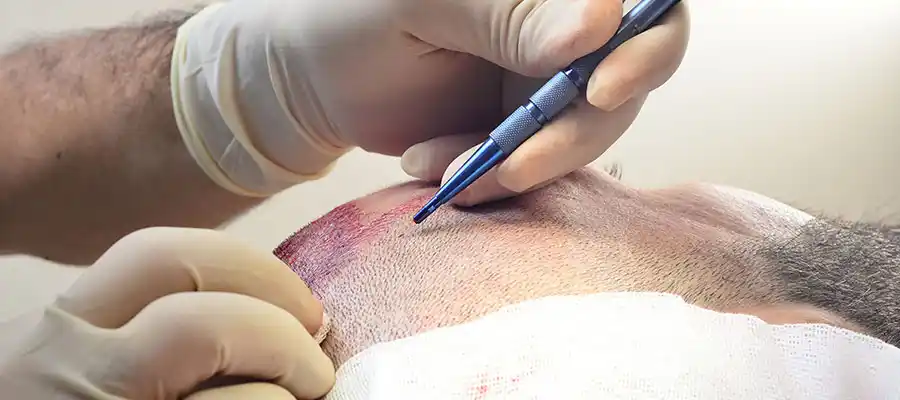
A FUE hair transplant (Follicular Unit Extraction) is one of the most popular surgical hair restoration techniques today because it can rebuild a natural-looking hairline with minimal visible scarring. If you’ve been dealing with a receding hairline, thinning temples, or a widening crown, FUE is often the method people research first—and for good reason. It focuses on moving your own permanent hair follicles from a strong “donor area” to the zones where hair has thinned, creating a result that can look and feel like your natural hair.
What makes FUE different from older approaches isn’t just the technology, it’s the philosophy of precision. Each follicular unit is harvested individually, then placed carefully to match the direction, angle, and density your hair naturally follows. When the planning is strong, the result doesn’t look like “transplanted hair.” It looks like you simply have more hair where you need it.
At the same time, FUE isn’t a shortcut and it isn’t magic. A hair transplant is a long-term project. The best outcomes come from realistic goals, careful donor management, and a clinic that treats your donor hair like a limited resource, not an unlimited supply.
What Follicular Unit Extraction Really Means?
Follicular units are the small natural groupings of hair follicles you already have, usually one to four hairs per unit. In FUE, a surgeon (or a trained medical team under a surgeon’s direction) removes these units one by one from the donor region, typically the back and sides of the scalp. Those follicles are then prepared and implanted into the thinning areas.
Because the grafts come from hair that’s genetically more resistant to pattern hair loss, they tend to be more stable over time. That’s one reason FUE is considered a long-term solution for the right candidate. Still, your native hair can continue thinning, so the smartest plans aim for a look that will still make sense years from now—not just a dramatic change in month twelve.
Why People Choose FUE?
Many people compare FUE vs FUT (strip surgery). FUT removes a narrow strip of scalp from the donor area, then grafts are dissected from that strip. FUE avoids that linear strip scar by harvesting individually, which is a big reason people prefer it—especially if they like shorter haircuts.
That said, “FUE is always better” isn’t the right takeaway. FUT can be a strong option for certain patients who need a very high graft count or who want to preserve donor area flexibility over multiple sessions. A trustworthy clinic explains both options clearly and recommends the best fit for your hair characteristics, donor capacity, and styling preferences.
Who Is a Good Candidate for an FUE Hair Transplant?
Most good candidates share a few traits: they have enough donor density, they have a stable enough pattern to design a responsible plan, and they understand that hair restoration is about improvement, not perfection. FUE can work well for hairline recession, temple work, and crown thinning, but the “best” area to treat first depends on what will create the biggest cosmetic benefit while protecting your donor supply.
Hair type matters more than most people realize. Thick hair shafts can create the illusion of higher density with fewer grafts. Curly or wavy hair can cover more area than straight hair. High contrast between hair color and scalp can make thinning look worse, which can influence how a surgeon designs density. These details affect how many grafts you’ll need and how natural the final result will look.
The FUE Procedure
A typical FUE hair transplant day starts with design and planning. The hairline is mapped based on facial structure, age, and likely future hair loss. Then the donor area is trimmed (fully or partially depending on the clinic and case). Local anesthesia is used so the procedure is generally comfortable, though you may feel pressure or movement.
Next comes extraction. The team removes follicular units using tiny punches, trying to balance efficiency with donor preservation. After extraction, grafts are sorted and protected while the recipient area is prepared. Then implantation begins, with careful attention to direction and angle—especially at the hairline and temples, where unnatural placement shows quickly.
The best clinics treat graft handling like a priority. Follicles are delicate. How they’re stored, how long they’re out of the body, and how gently they’re placed can influence growth and final density.
Advantages of FUE Hair Transplantation
The advantages of FUE hair transplantation include minimal scarring, faster healing, and natural-looking results thanks to individual graft extraction. FUE (Follicular Unit Extraction) remains one of the most popular hair transplant techniques because it is minimally invasive and highly effective.
Key Advantages of FUE Hair Transplantation:
- No Linear Scar: Unlike FUT (strip method), FUE does not leave a long linear scar. Instead, it creates tiny, nearly invisible micro-extraction points in the donor area.
- Faster Recovery: Because FUE is less invasive, patients typically experience quicker healing and can return to daily activities within a few days.
- Natural Results: Surgeons implant grafts according to natural hair growth angles, ensuring a realistic hairline and balanced density.
- Suitable for Large Areas: FUE hair transplantation is ideal for covering larger bald areas, as it allows thousands of grafts to be transplanted in a single session.
- Flexible Donor Area Use: Hair follicles can be extracted not only from the scalp but also from the beard or body if needed.
FUE Hair Transplant Miami Cost 2026
FUE hair transplant Miami cost in 2026 typically ranges from $5,000 to $10,000 depending on graft count and clinic quality.
In Miami, FUE is one of the most requested techniques because it leaves minimal scarring and offers natural, long-lasting results. Prices vary based on the surgeon’s expertise, clinic reputation, technology used and whether additional services like PRP or aftercare packages are included.