



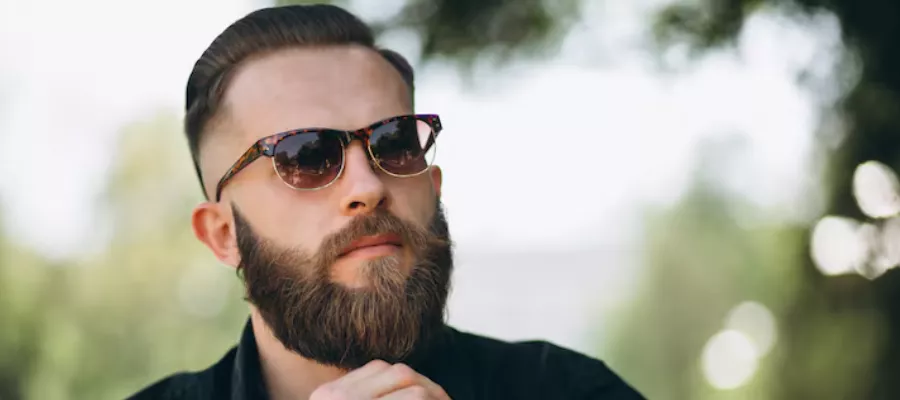
If you’ve been Googling beard transplant Miami options, you’re not alone. In a city where grooming and style matter, beard transplant Miami searches often come from men who are tired of patchy cheeks, thin jawlines, or scars that never seem to fill in. The good news is that modern facial hair restoration can look incredibly natural—provided the plan matches your face, your skin, and the way your beard wants to grow.
This beard transplant Miami guide focuses on what actually determines a great result: a natural design (not a “stamped-on” beard), realistic density planning (so it looks full but believable), and aftercare that protects the grafts while you heal. Whether your goal is a sharper jawline, stronger goatee, or simply even coverage, the details matter more than the hype.
Beard Transplant Miami: What a Beard Transplant Really Is
A beard transplant Miami procedure typically moves healthy hair follicles from a donor area—most commonly the back or sides of the scalp—to the beard region. The technique most clinics use is FUE (Follicular Unit Extraction), where follicles are taken one by one to avoid a long linear scar. Those follicles are then implanted into the cheeks, jawline, chin, mustache, sideburns, or a combination of areas.
Here’s the key: the procedure doesn’t “create” new hair. It relocates follicles that are genetically programmed to grow. That’s why donor selection, graft handling, and implantation angles are so important in a beard transplant Miami plan. Facial hair has a different texture and growth behavior than scalp hair, and the surgeon has to work with that reality—especially when blending into existing beard growth.
Most patients pursue beard transplant Miami care for one of a few common reasons: naturally sparse facial hair, uneven growth patterns that never matured, traction-related thinning, or scars from acne, burns, or previous injuries. No two beards grow exactly the same, so the best work starts with a design that looks like it always belonged on your face.
Beard Transplant Miami Natural Design: The Difference Between “Full” and “Natural”
Natural design is the part most people underestimate. A beard transplant Miami result can be dense and still look off if the borders are too sharp, the cheek line is too perfect, or the growth direction doesn’t match your natural pattern. The goal is not just coverage—it’s believability.
A strong design usually respects three things: your facial structure, your age, and your existing growth. For example, a lower, straighter cheek line can look impressive on social media, but in real life it can read as unnatural if it clashes with your bone structure or your natural beard map. A subtle gradient—lighter density at the top of the cheek and heavier toward the jaw—often looks more authentic. In many beard transplant Miami cases, the best “full” look is built by layering density where it counts instead of packing grafts evenly everywhere.
The mustache and chin are especially sensitive areas. The mustache has distinct swirl patterns and directional changes, and the chin often needs density concentrated in a way that complements the goatee or soul patch. A careful beard transplant Miami design keeps transitions soft, avoids harsh corners, and builds in tiny irregularities that mimic how natural beards grow.
Beard Transplant Miami Density Planning: How Surgeons Decide Where Grafts Go
Density planning is where science meets restraint. People often walk into a beard transplant Miami consultation asking, “How many grafts do I need?” The better question is, “How many grafts do I need for the look I want—without forcing density where it won’t look natural?”
Facial hair creates the illusion of fullness differently than scalp hair. A beard can look solid because of shadow, curl, and the way hairs overlap. That means a smart beard transplant Miami plan doesn’t aim for maximum density everywhere. Instead, it prioritizes:
-
the jawline and chin for structure and “weight”
-
the goatee zone for central fullness
-
strategic cheek filling to remove patchiness while keeping a natural gradient
-
subtle blending into sideburns and existing growth
Your skin characteristics matter too. Oilier skin can show redness differently. Very thick facial skin can influence how quickly swelling calms down. A responsible beard transplant Miami plan considers not only graft count, but also placement spacing so blood supply stays strong and the grafts have the best chance to thrive.
Beard Transplant Miami Technique: FUE Extraction and Precision Implantation
Most beard transplant Miami cases rely on FUE because it allows a clean donor area and flexible graft selection. Extraction is not a “grab-and-go” step; it’s a selection process. The surgeon chooses follicles that match the target area. Finer grafts can be better for upper cheek blending, while slightly thicker follicles may be reserved for the chin or jawline where density is visually important.
Implantation is where artistry shows. Beard hairs exit the skin at very acute angles—often flatter than scalp hair. If implanted too upright, the beard can look spiky or unnatural, especially on the cheeks. Proper beard transplant Miami work requires tight control of direction and angle so hairs lie down and blend the way a natural beard does.
Scar camouflage is another common reason men consider a beard transplant Miami procedure. For acne or injury scars, the surgeon must evaluate the scar tissue’s blood supply. Some scars accept grafts beautifully; others require more conservative density and careful spacing. When planned well, beard transplantation can soften scars dramatically by breaking up the visible contrast.
Beard Transplant Miami Donor Area Strategy: Keeping the Back Looking Clean
The donor area is your “bank,” and good surgeons treat it with respect. In a beard transplant Miami procedure, overharvesting the donor can create patchiness on the scalp or a see-through look when hair is cut short. That’s why donor management is as important as beard design.
A thoughtful approach spreads extractions across a wider donor zone rather than pulling too many grafts from a small area. It also considers your styling habits. If you like fades, short cuts, or skin fades, the surgeon needs to plan extraction patterns that remain discreet as your hair grows out.
Another donor detail that affects facial results is hair caliber. Scalp hair can be slightly different from beard hair in thickness and texture. A beard transplant Miami plan usually accounts for this by using graft selection and density strategy to avoid an obvious mismatch. Over time, many patients find transplanted hairs blend well once they’re trimmed and trained into their routine.
Beard Transplant Miami Healing Timeline: What to Expect from Day 1 to Month 12
Healing is predictable in phases, but it rarely looks “perfect” in a straight line. Knowing the timeline helps you stay calm when normal changes happen. After a beard transplant Miami procedure, you’ll typically see mild swelling, redness, and tiny scabs around implanted grafts. The first week is about protecting the grafts, keeping the area clean, and avoiding friction.
By days 7–10, scabs usually begin to shed naturally if aftercare is followed. The donor area often looks better faster than the recipient area, though it can feel tight or mildly sensitive for a bit. Around weeks 2–6, many patients experience shedding of transplanted hairs—often called shock loss. It’s unsettling the first time you see it, but it’s usually part of the normal cycle. The follicles stay in place beneath the skin, and the growth phase restarts later.
New growth commonly begins around months 3–4. At first, the hair can appear finer and slightly uneven. By months 6–8, coverage becomes noticeably stronger, and by 9–12 months most patients see the “finished” look. In many beard transplant Miami cases, the beard continues to mature subtly beyond a year as hairs thicken and styling becomes easier.
Beard Transplant Miami Aftercare: The Habits That Protect Your Results
Aftercare is where patients can accidentally sabotage great work. The first 10 days are especially important because grafts are settling and establishing blood supply. In Miami, heat and humidity add an extra layer: sweating, sun exposure, and beach culture can tempt you into risks too soon.
A strong beard transplant Miami aftercare routine focuses on gentle cleansing, keeping the area hydrated per clinic instructions, and avoiding contact that dislodges grafts. You’ll also want to avoid sleeping face-down, rubbing your face, or wearing tight masks that drag across the recipient zone during the early phase. Gym timelines vary by clinic, but most advise waiting until the grafts are stable and swelling is under control.
Shaving is another common concern. Most clinics recommend waiting until the transplanted area is healed before using a razor directly on it. In the early stage, trimming with a guard may be safer than close shaving, depending on the surgeon’s guidance. A beard transplant Miami plan should include clear rules for washing, grooming, sun protection, and when to resume workouts.
Beard Transplant Miami Results: Texture, Growth Direction, and Styling Reality
Transplanted follicles keep the genetic characteristics of the donor hair. That means scalp hair transplanted into the beard will still behave like scalp hair in terms of growth cycle. Practically, many men notice the transplanted beard hairs can grow a bit longer or require more regular trimming at first. Over time, most patients adapt quickly and build a grooming routine that makes the beard look consistent.
Direction and angle matter for styling. If the implantation angles were designed correctly, the beard should lay down naturally, especially once it gains length. If you’re pursuing a beard transplant Miami procedure primarily for a crisp jawline, remember that sharpness often comes from shape and maintenance, not just raw density. A well-designed beard can look strong without looking artificial.
Long-term, some patients choose to support results with general hair-health habits—consistent skincare, avoiding harsh picking or friction, and managing conditions like folliculitis if they’re prone to it. The biggest driver of success, however, is still the initial planning and surgical execution of the beard transplant Miami procedure.
Frequently Asked Questions
What does the day-by-day aftercare look like in the first two weeks?
-
Days 1–3: Prioritize graft protection—no rubbing, no direct water pressure on the area, and sleep with your head elevated if advised.
-
Days 4–7: Begin gentle cleansing exactly as instructed; let scabs soften and shed naturally without scratching.
-
Days 7–10: Most scabs fall away; redness can linger, especially in lighter skin tones, but usually fades gradually.
-
Days 10–14: The area feels more normal; light trimming may be discussed, but close shaving is usually still postponed.
-
All two weeks: Avoid heavy sweating, intense sun exposure, and anything that drags across the grafts (tight masks, rough towels, aggressive exfoliation).
When can I shave or line up my beard after a beard transplant Miami procedure?
Most patients can begin light grooming once the recipient area has fully healed and scabs are gone, but the exact timing depends on how your skin responds and what your clinic advises. The safest approach is usually to avoid close shaving early on, because razor contact and stretching the skin can irritate the area before it has fully settled. Many men start with careful trimming using a guard and gradually return to sharper line-ups once the skin is calm and the early shedding phase has passed. If you’re aiming for a crisp cheek line, it helps to remember that the transplanted beard needs time to grow through its full cycle before the final shape truly shows.
How do clinics determine pricing for beard transplant Miami cases?
Pricing for a beard transplant Miami procedure can vary based on the number of grafts you need, the complexity of the design (full beard vs. targeted patches), the presence of scar tissue, and the experience level of the surgeon and team. Some patients require careful density layering across multiple facial zones, while others need focused filling in a smaller area. Because each plan is customized—and because donor management and natural angle work are so technique-dependent—there isn’t a one-size-fits-all figure that makes sense without an assessment. beard transplant Miami fiyatları için hemen bize ulaşın
Will the transplanted beard look “pluggy” or obvious?
A pluggy look usually comes from poor angle control, overly sharp borders, or density that ignores natural gradients. A well-planned beard transplant Miami design typically avoids that by softening cheek transitions, respecting natural direction changes, and building density where it makes visual sense. In real life, the most believable beards tend to have subtle irregularity—tiny variations in spacing and direction that mimic nature. When those details are done right, people usually read the result as “you grew a beard,” not “you had a procedure.”
How long until it looks truly full?
Most patients see early new growth around months three to four, with a noticeable improvement by month six. Full maturation often takes nine to twelve months after a beard transplant Miami procedure, especially if you’re targeting broader coverage. The timeline can feel slow because facial hair styling depends on length, direction, and density working together. Once you pass the early shedding phase and the new growth begins, the beard typically improves in waves—each month looks a little better than the last.