



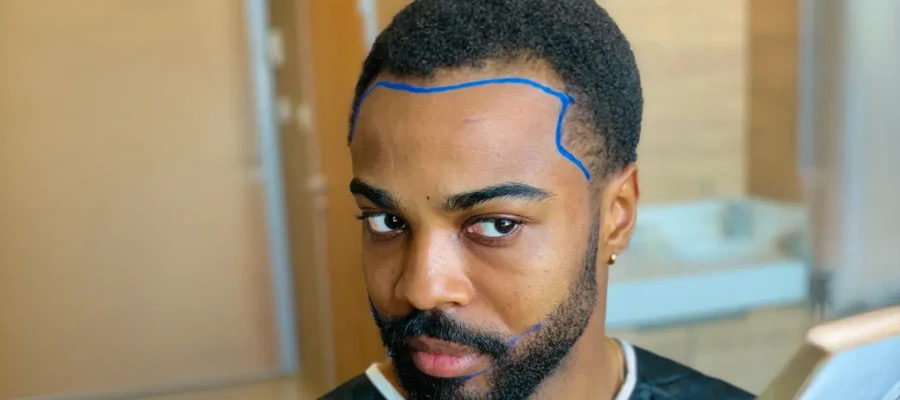
Afro Hair Transplant Miami
An afro hair transplant Miami is a specialized procedure designed to restore tightly curled hair using techniques adapted for Afro-textured follicles.
In Miami, surgeons experienced in Afro FUE carefully extract curled follicles to prevent transection and ensure strong growth. This hair type requires precise angles, customized punch tools and expert implantation to maintain natural curl patterns.
What is Afro Hair Transplant?
An Afro hair transplant is a procedure that restores tightly curled Afro-textured hair using techniques adapted for its unique follicle shape. Afro hair grows in a curved pattern, so surgeons use specialized tools and careful angles to safely extract and implant follicles without damaging them.
The procedure is usually performed with the FUE method, allowing individual graft removal while preserving natural curl direction. Afro hair transplants require more precision than straight-hair procedures, but when done by an experienced specialist, they create natural density, stronger hairlines and long-lasting results.
Why Afro-Textured Hair Requires a Different Approach?
The biggest technical difference is below the surface. In many patients with Afro-textured hair, follicles don’t grow straight down the way they often do in straighter hair types. Instead, the follicle and the hair shaft can curve under the skin. During FUE (Follicular Unit Extraction)—where grafts are removed one by one—this curvature increases the chance of “transection,” meaning the follicle gets partially cut and may be less likely to grow after transplantation. That’s why the surgeon’s technique, punch choice, and extraction angles matter so much in an Afro hair transplant.
This doesn’t mean Afro-textured hair is “harder” in a way that should discourage you. It means it’s more technique-dependent. Clinics that regularly treat curly/coily hair typically adjust their approach based on curl pattern, skin firmness, and the direction follicles angle beneath the scalp.
How is Afro Hair Transplantation Performed?
Afro hair transplantation is performed by carefully extracting and implanting tightly curled hair follicles using specialized techniques designed for curved roots and unique scalp structure. Because Afro-textured hair grows in a spiral pattern both above and below the skin, the procedure requires advanced experience and precision.
Step-by-Step Afro Hair Transplant Procedure:
- Detailed Consultation and Hair Analysis: The surgeon evaluates curl pattern, hair density, and donor area quality to create a customized transplant plan.
- Careful Local Anesthesia: The donor and recipient areas are numbed to ensure patient comfort throughout the procedure.
- Specialized Graft Extraction: Using a modified FUE technique, follicles are extracted with special punches that follow the curved root structure to prevent damage.
- Channel Creation with Proper Angle: Micro-incisions are opened while carefully matching the natural curl direction to maintain an authentic Afro hairline.
- Precise Graft Implantation: The grafts are implanted at the correct depth and angle to preserve the natural density and curl pattern.
How the Decision Usually Works?
Most Afro hair transplant candidates ask about FUE vs FUT (strip surgery). FUE avoids a linear strip scar, which matters for people who like close fades or shorter haircuts. FUT can provide a high graft yield in a single session for some patients, but it leaves a linear scar that may limit very short styles.
In Afro-textured hair, the decision often comes down to a mix of styling preference, donor availability, and the clinic’s experience with curved follicles. A high-quality consultation should explain what method protects your donor area best and gives you the most predictable growth—not just what’s most popular.
Density Planning
One of the best parts about curly and coily hair is coverage. Because curls add volume and create more “visual fullness,” you may not need the same graft density that someone with straight hair might need to achieve a similar coverage effect. That can be a major advantage for donor management. A smart plan uses this to your benefit: natural hairline design in front, strategic density behind it, and careful use of grafts so you don’t burn through donor supply too quickly.
This is also where artistry matters. A natural-looking Afro hair transplant isn’t just about adding hairs; it’s about recreating how your hair naturally frames your face. The hairline should be age-appropriate, slightly irregular (not ruler-straight), and blended in a way that matches your original pattern. A clinic that talks about hairline shape, temple transitions, and future hair loss planning is usually thinking long-term, exactly what you want.
Tools and Technique
With Afro-textured hair, extraction strategy is a big part of quality. Many experienced teams adapt punch selection and technique to reduce transection risk in curved follicles, and they may use approaches designed specifically for patients of African descent.
On the implantation side, angle and direction are everything. Coily hair has a distinct growth pattern, and if grafts are placed at the wrong angle, the result can look unnatural or be difficult to style. Proper placement mimics how your hair naturally emerges from the scalp and how it lays once it grows out.
Donor Area Management
Your donor area is a limited resource. In FUE, grafts are taken across the donor zone in a pattern that aims to keep the area looking even after healing. Overharvesting can create patchiness that becomes noticeable when hair is cut short. That’s why donor planning should be conservative and methodical—especially if you may want future sessions later in life.
Good clinics measure donor density, identify the safe donor zone, and talk openly about how many grafts can be taken without compromising appearance. Professional guidelines emphasize assessing hair characteristics (including Afro-textured tight curl) because they affect both results and donor appearance.
Scarring and Keloid Risk
Most patients heal with minimal visible scarring, especially with properly performed FUE. However, it’s important to discuss scarring risk honestly, including keloids. Keloids are uncommon on the scalp, but they can happen, and certain ethnic backgrounds are considered at higher risk. Even minimally invasive procedures can rarely lead to keloid formation, which is why your personal history matters—if you’ve had keloids before, your surgeon should address that directly during planning.
This isn’t meant to scare you. It’s meant to help you choose a clinic that takes your medical history seriously. A careful provider will ask about your scar history, review your skin type and healing patterns, and explain the steps they take to reduce risk.
Recovery Timeline
Most patients experience the same broad phases as other FUE hair transplants: early healing (redness and small scabs), a shedding phase (often within the first weeks), and then gradual regrowth that becomes more noticeable over several months. The key is patience. Early shedding can feel discouraging, but it’s commonly part of the normal cycle where the follicles stay in place while the visible hairs shed before regrowing.
Your clinic’s aftercare instructions matter a lot here, especially around gentle washing, avoiding friction, limiting heavy sweating, and protecting the scalp from strong sun exposure while healing.
How Many Grafts Do You Need?
How many grafts you need depends on your hair loss level, desired density, and hair characteristics.
Most patients require 1,500 to 4,000 grafts, but the number can be higher for advanced hair loss. For mild recession, 800–1,500 grafts may be enough, while a full hairline and crown restoration can need 3,000–4,500 grafts. Factors like hair thickness, curl pattern, donor density, and your goals also influence the graft amount.
Afro Hair Transplant Miami Cost 2026
Afro hair transplant Miami cost in 2026 typically ranges from $7,000 to $15,000 depending on graft count and technique.
In Miami, Afro-textured procedures are priced higher because they require specialized tools, careful follicle handling, and surgeons experienced in working with tightly curled grafts. The final cost depends on graft number, clinic reputation, surgeon expertise, and whether additional services like PRP or bundled aftercare are included.