



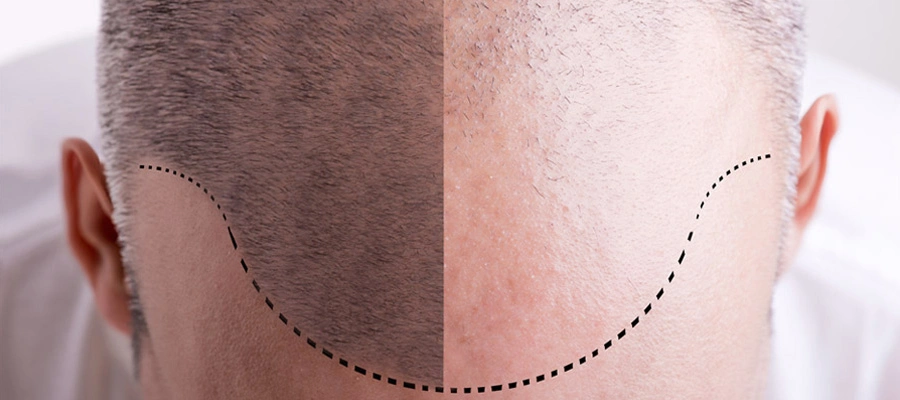
A hair transplant Miami offers advanced techniques with high success rates and natural-looking results. Miami is known for its experienced hair restoration surgeons who specialize in FUE and DHI methods. Clinics in the city provide customized treatment plans, modern technology and detailed aftercare to ensure strong regrowth.
Hair transplant Miami costs are higher than many international destinations, but patients benefit from board-certified surgeons and strict medical standards. With its strong medical tourism infrastructure, Miami is a reliable choice for those seeking effective, minimally invasive hair restoration.
What is Hair Transplant?
A hair transplant is a surgical procedure that restores hair by moving healthy follicles to thinning areas. This treatment is commonly performed using FUE or DHI techniques, both designed to create natural-looking density with minimal scarring.
During the procedure, grafts are taken from the donor area (usually the back of the scalp) and implanted into balding regions. Hair transplants offer long-lasting results because the transplanted follicles are resistant to shedding. Many patients choose this method to improve confidence and achieve fuller, thicker hair. Regular aftercare helps support healing and maximize final growth.
How is Hair Transplantation Done?
Hair transplantation is done by extracting healthy hair follicles from a donor area and implanting them into bald or thinning areas to achieve natural, permanent hair growth. The procedure follows a precise medical process to ensure density, correct angle placement, and long-lasting results.
Step-by-Step Hair Transplant Procedure:
- Consultation and Hairline Design: The surgeon evaluates hair loss, analyzes the donor area (usually the back of the scalp), and designs a natural-looking hairline.
- Local Anesthesia: The donor and recipient areas are numbed with local anesthesia to ensure a painless experience.
- Graft Extraction: Using the FUE (Follicular Unit Extraction) method, individual hair follicles are carefully removed from the donor area.
- Channel Creation: Tiny micro-incisions are opened in the recipient area, following the planned angle and density for a natural appearance.
- Graft Implantation: The extracted grafts are implanted one by one into the prepared channels with precision.
- Post-Procedure Care: After the operation, the scalp is cleaned, and the patient receives detailed aftercare instructions to support healing and hair growth.
Why Miami is a Top Destination for Hair Restoration?
Miami attracts patients from across Florida, the U.S., and internationally. Beyond the city’s easy travel access, many clinics have bilingual teams, streamlined scheduling, and a strong focus on aesthetics. That matters because hair restoration is partly medical, partly artistic. The angle, direction, and spacing of graft placement can make the difference between “I did something” and “it looks like I was born with it.”
Another reason people look up hair transplant Miami is privacy and convenience. Many patients prefer recovering somewhere they feel comfortable going out in public, grabbing meals, and getting sunlight in moderation while following aftercare instructions. Miami’s lifestyle can make the recovery period feel more manageable—as long as you take sun protection seriously, especially in the first weeks.
Understanding the Procedures
Most modern Miami practices focus heavily on FUE (Follicular Unit Extraction). With FUE, grafts are harvested individually from the donor area, usually the back and sides of the scalp. This approach typically leaves tiny dot scars that are hard to notice once healed, especially with short-to-medium hairstyles. Many people prefer FUE because it avoids a linear scar and usually feels like a smoother recovery.
FUT (Follicular Unit Transplantation), also called strip surgery, involves removing a thin strip of scalp from the donor area and dissecting it into grafts. FUT can still be a great choice for some patients, especially those who need a higher graft count and want to protect donor resources over time. The tradeoff is a linear scar, which can be well-hidden with longer hair, but may be a concern if you like very short fades.
What a Great Miami Hair Transplant Consultation Should Feel Like?
A serious consultation goes beyond quick photos and a graft number. You should feel like you’re building a long-term plan. The provider should examine your donor density and hair caliber, map the likely future pattern of hair loss, and discuss realistic density in different zones. A dense hairline is not always the right choice if it risks draining your donor area and leaving you with fewer options later.
During a consultation, pay attention to whether the clinic talks about hairline design in a detailed way. Natural hairlines are irregular in a controlled way. They blend density gradually, use varied graft sizes appropriately, and follow the direction your hair naturally grows. The most convincing results often look slightly “soft” at the very front and build density behind it.
The Real Factors That Shape Results
When people compare hair transplant Miami options, they often compare only before-and-after photos and price tags. Those matter, but the most important variables are usually deeper.
Surgeon involvement matters. In some clinics, the surgeon designs the hairline and oversees key steps. In others, much of the work is delegated. Delegation isn’t automatically bad (experienced teams can do excellent work) but you should know who is performing harvesting and placement. Details matter at the graft level.
Donor management is another key factor. You only have so much safe donor hair. The best clinics treat donor hair like a limited resource, placing grafts strategically and planning for the future. Overharvesting can create patchiness in the donor area and limit your options later.
Finally, aftercare and follow-up can strongly influence the experience. The transplant is a day; the healing and growth timeline is months. A clinic that is easy to reach and clear about instructions often makes the process less stressful.
What Happens After Surgery?
Right after the procedure, it’s normal to see redness, small scabs, and mild swelling. Most people look “socially presentable” sooner than they expect, but the timeline varies by skin sensitivity and technique. In the first couple of weeks, the transplanted hairs often shed—this is a normal part of the cycle and doesn’t mean the grafts failed. True regrowth usually starts gradually after that, with more noticeable changes later in the growth phase.
Patience is a real part of hair restoration. You’re not buying hair overnight. You’re investing in a plan that unfolds in stages, and the final look is best judged after the growth has matured.
Advantages of Miami
Hair transplant Miami clinics often emphasize cosmetic refinement, and that can be a plus. Hairline design, temple work, and density transitions require a strong aesthetic sense. If you’re focused on a natural result, look for clinics that show consistent outcomes in different hair types, not just the “perfect” cases.
Pay attention to results on patients with hair characteristics similar to yours. Straight coarse hair behaves differently than fine curly hair. Dark hair on light skin shows contrast more easily. A clinic that can show a range of believable results across different profiles is usually worth a closer look.
How to Prepare for Your Procedure and Recovery?
Preparation is usually simple, but it matters. You’ll typically want to avoid anything that increases bleeding risk before surgery, follow the clinic’s instructions on hair trimming or washing, and plan a calm recovery week with minimal stress. You’ll also want to think about how you’ll handle work calls, social events, and sun exposure. Miami sun is intense, and protecting the scalp during healing is important for comfort and recovery.
If you’re traveling in, build in a buffer day or two. It makes follow-up easier and gives you time to rest before flying home.
Hair Transplant Miami Cost 2026
Hair transplant Miami cost in 2026 typically ranges from $6,000 to $12,000 depending on technique and graft count.
In Miami, prices are higher than many international destinations because clinics work with board-certified surgeons, advanced technology and strict medical standards. FUE and DHI procedures usually fall at the upper end of the price range due to precision and longer operation times.