



Eyebrow Transplant
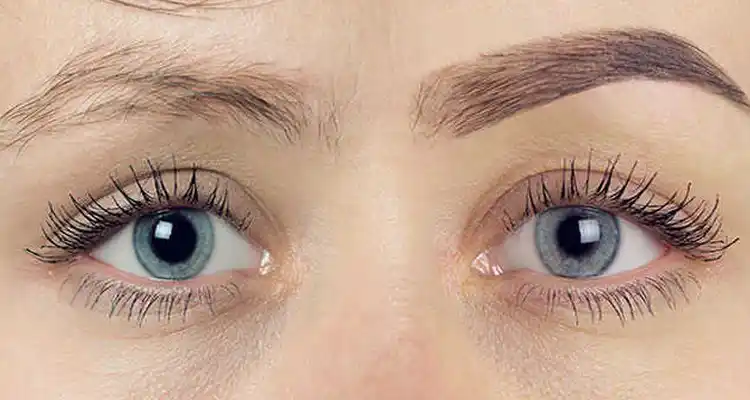
An eyebrow transplant is a cosmetic procedure that restores or enhances eyebrow hair using your own follicles, most often taken from the back of the scalp. People consider eyebrow restoration for many reasons: years of over-plucking, naturally thin brows, patchy growth, scars, asymmetry, or hair loss related to medical or hormonal changes. Done well, an eyebrow transplant can create fuller, better-shaped brows that still look believable in real life—at conversational distance, in bright sunlight, and in close-up photos.
It’s also one of those treatments where “small details” aren’t small at all. Eyebrows sit at the center of facial expression. A few millimeters in height, arch, or tail direction can change the whole look of the face. That’s why the best eyebrow transplant results come from careful design and precise placement, not from chasing extreme density or trendy shapes that don’t fit your features.
Eyebrow Transplant Miami
An eyebrow transplant Miami is a precise hair restoration procedure that uses FUE grafts to create fuller, natural-looking brows.
In Miami, skilled surgeons extract fine hair follicles (usually from behind the ear or the scalp) and implant them into sparse or over-plucked eyebrow areas. Each graft is placed at a specific angle and direction to mimic natural brow growth. Miami clinics are known for advanced technology, artistic brow design and high success rates.
What an Eyebrow Transplant Actually Does?
Most eyebrow transplants use a technique similar to FUE (Follicular Unit Extraction). The clinic harvests individual follicular units from a donor area—usually the scalp—then implants those follicles into the eyebrow region. Because scalp hair behaves differently than natural eyebrow hair, the plan must account for growth direction, curl, and future maintenance. The goal isn’t just “more hairs.” The goal is eyebrow hairs that grow in the right direction and sit close to the skin, mimicking natural brow texture and flow.
A key point many people learn after surgery is that transplanted eyebrow hair typically retains some characteristics of donor scalp hair. That often means it can grow longer and may require regular trimming. This isn’t a drawback for everyone; many people are happy to trade trimming for a brow shape they love. But it’s important to know upfront so expectations stay realistic.
Why People Choose Eyebrow Restoration Over Microblading?
Microblading, powder brows, and other semi-permanent makeup techniques can create a strong visual effect, especially for people who want immediate definition. An eyebrow transplant is different because it aims to create real, growing hair. For some people, the appeal is texture and realism, especially up close. Others prefer a transplant because they want to reduce reliance on pigmentation procedures over time or because previous tattoo-style work healed unpredictably.
That said, an eyebrow transplant isn’t automatically “better” than microblading. They’re different solutions for different goals. Some patients even combine them carefully, using transplant hair for texture and light pigmentation for subtle definition. The best approach depends on your skin type, brow goals, hair characteristics, and how much maintenance you’re comfortable with.
Who Is a Good Candidate for an Eyebrow Transplant?
Good candidates usually have a stable reason for thinning and enough donor hair to work with. If your brows are thin from genetics or past over-plucking, eyebrow transplant surgery can be a strong option. Scarring is another common reason—whether from injury, surgery, or past skin conditions—because transplanted follicles can sometimes restore hair growth in scar tissue depending on thickness and blood supply.
If eyebrow hair loss is actively progressing because of an underlying condition, you’ll want that addressed first. It’s not that you can’t get a transplant, but you’ll want a plan that makes sense long-term. A responsible provider will ask about your hair loss history, medications, skin conditions, and whether your brow thinning is stable.
Eyebrow Design
Design is where the procedure really begins. During consultation, you and the clinician should agree on brow shape, thickness, arch position, and tail length. The best designs consider your facial proportions, natural bone structure, eyelid shape, and how your eyebrows move when you talk or smile. The goal is usually improved symmetry, not perfect symmetry. Faces aren’t perfectly symmetrical, and eyebrows that are too “matched” can look unnatural.
A good design also respects your long-term preferences. Trends shift. What looks fashionable today might not feel right in five years. Many people prefer a slightly conservative design that can be styled rather than a bold shape that locks them into one look.
How the Procedure Works on the Day?
On procedure day, the donor area is typically trimmed so follicles can be extracted cleanly. Local anesthesia is used, and most people describe the process as more “time-consuming” than painful. Follicles are harvested one by one and kept protected while the eyebrow region is prepared.
Implantation is the most technical step. Eyebrow hairs must be placed at very shallow angles so they lie flat and follow natural direction. The inner brow usually grows more upward, the mid-brow tends to angle outward, and the tail often becomes more horizontal. These pattern shifts are subtle, but they are what make brows look real. When placement is too upright or too uniform, the eyebrow can look “spiky” or hard to style.
Because eyebrow work is so detail-heavy, the procedure can take time even with a relatively small graft count. It’s normal for clinics to move slowly and carefully here—precision matters more than speed.
Recovery
Right after an eyebrow transplant, you can expect redness and tiny scabs in the brow area. Mild swelling is common, especially in the first few days. Some people notice swelling around the upper eyelids as fluid shifts; it usually settles with time and proper aftercare. The donor area on the scalp may feel tender and look like small dots that fade as it heals.
Scabbing is normal. Your clinic will guide you on gentle washing and how to keep the area clean without rubbing or scratching. It’s tempting to “help” scabs come off faster, but patience pays off here. Early disruption can affect healing and increase irritation.
Shedding is another phase that surprises people. It’s common for transplanted hairs to shed in the weeks after surgery. This doesn’t mean the transplant failed. In many cases, the follicles remain in place and start producing new growth later. True regrowth is gradual, and eyebrows tend to look better month by month rather than week by week.
Eyebrow Transplant Miami Cost 2026
Eyebrow transplant Miami cost in 2026 typically ranges from $3,000 to $7,000 depending on technique and graft number.
In Miami, prices vary based on surgeon expertise, clinic reputation, and the precision required for natural brow design. Since eyebrow restoration uses fine, single-hair grafts and demands meticulous implantation angles, it is often priced higher per graft than standard hair transplants.